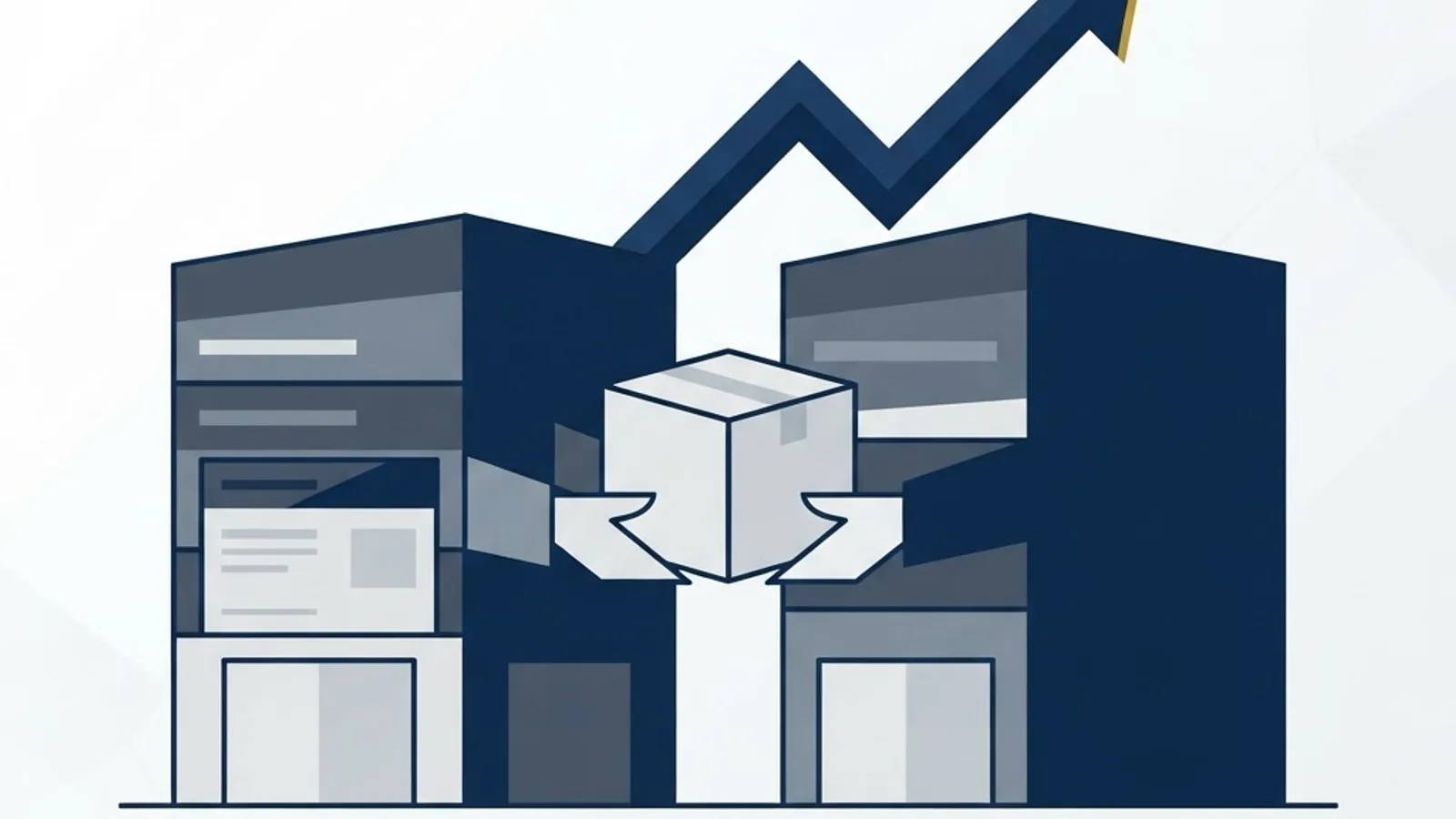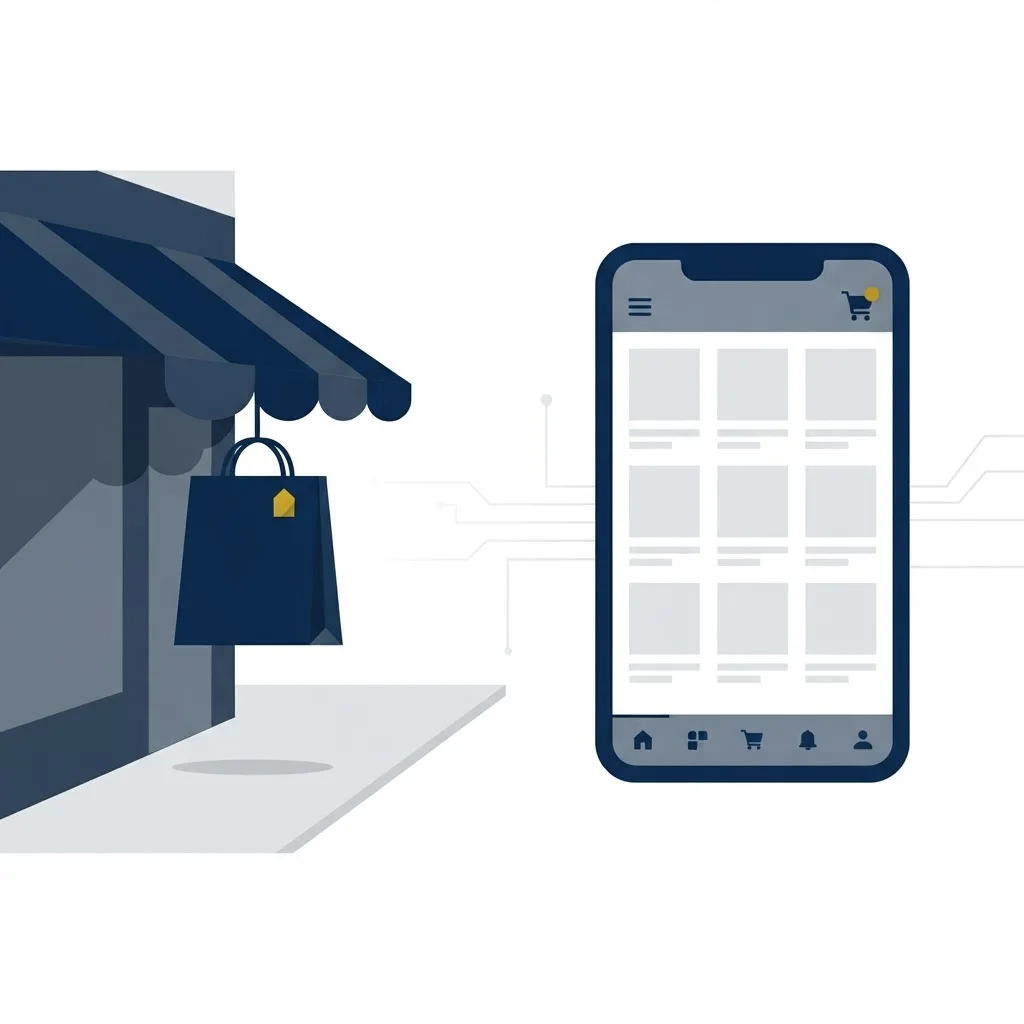
Retail has spent the last decade being told that digital would replace stores. What actually happened is stranger and more interesting: digital became the way people decide, while stores remained the way many people buy.
That makes retail digital marketing a fundamentally omnichannel discipline. Your online presence influences in-store purchases you cannot easily track, and your stores drive online sales through familiarity and returns convenience.
This guide covers how retailers, from single-location independents to multi-store chains, build digital programs that grow total revenue rather than shifting it between channels.
What Is Retail Digital Marketing?
It is the coordinated use of search, social, email, paid media and local listings to drive both ecommerce transactions and physical store visits, treating them as one connected customer journey.
The measurement reality is uncomfortable but important. A large share of digitally influenced purchases still complete in physical stores, which means channel-level attribution routinely understates digital's contribution and leads retailers to underinvest.
Retail also runs on margin thinness and inventory pressure. Marketing that drives demand for products you cannot fulfill, or that sells only discounted stock, damages the business regardless of how good the metrics look.
Who Uses It?
The approach varies substantially by retail model.
- Independent specialty retailers competing against national chains and marketplaces
- Multi-location chains needing consistent brand with local store visibility
- Direct-to-consumer brands opening physical retail for the first time
- Grocery and convenience retailers driving frequency and basket size
- Apparel and home goods retailers with heavy seasonal and trend dynamics
Key Features of a Retail Program
Local Inventory Visibility
Showing real-time in-store availability in search results converts browsers into store visitors. Shoppers regularly search for products with immediate local pickup intent, and retailers who surface inventory capture that demand while competitors send people to marketplaces.
Product Content That Actually Sells
Strong product pages with multiple images, honest specifications, sizing detail and customer reviews reduce both purchase hesitation and return rates. This scales only with a properly built catalog platform, which is where serious ecommerce solutions pay for themselves.
Retention Over Acquisition
Retail economics reward repeat purchase heavily. Email and SMS programs, loyalty structures and post-purchase sequences typically deliver the strongest return of any retail channel, yet receive a fraction of the attention paid media gets.
Profitable Paid Media Discipline
Shopping campaigns, retargeting and social advertising all work, but retail margins are thin enough that unprofitable spend shows up quickly. Segment campaigns by product margin, not just by category performance.
How to Get Started
Begin with the fundamentals that affect every channel simultaneously.
- Audit your product data quality, since poor feeds undermine every paid and organic channel.
- Ensure every store location has a complete, accurate Google Business Profile.
- Implement local inventory visibility if your systems can support it.
- Improve product pages with better imagery, detail and customer reviews.
- Build email and SMS capture at every touchpoint, online and in store.
- Create automated post-purchase and replenishment sequences.
- Segment paid campaigns by product margin so spend follows profit.
- Measure total revenue by market rather than trying to attribute every channel perfectly.
Benefits
Retailers who connect digital and physical see compounding advantages.
- Higher total revenue per customer across combined online and store purchasing
- Reduced inventory risk through better demand visibility and local availability
- Stronger customer retention through owned email and loyalty channels
- Improved store traffic driven by digital discovery rather than foot traffic alone
- Competitive resilience against marketplace price pressure
Potential Challenges
Retail marketing has genuine structural difficulties.
- Attribution gaps between digital influence and in-store purchase completion
- Thin margins limiting how much can be spent on customer acquisition
- Inventory and demand mismatches when marketing succeeds unevenly across products
- Marketplace competition on price and delivery speed that independents cannot match
Best Practices and Tips
These principles apply across retail formats and sizes.
- Prioritize product data quality above campaign sophistication. Everything downstream depends on it.
- Build email lists relentlessly. It is the only audience you truly own.
- Market your highest-margin products, not your bestsellers, when budget is limited.
- Use store associates to drive reviews and loyalty signups at the point of sale.
Real-World Example
A regional outdoor equipment retailer with four stores had an ecommerce site generating about twelve percent of revenue and a paid media program focused on driving online sales. Margins on those online sales were poor after shipping and returns.
They reoriented entirely. They implemented local inventory display so search results showed in-store availability, added buy-online-pickup-in-store, and shifted paid budget toward campaigns promoting local availability rather than shipping. They also built an email program segmented by activity interest.
Online revenue share stayed roughly flat, but total revenue rose twenty-three percent over eighteen months as store visits increased. Margin improved more than revenue did, because pickup orders avoided shipping costs and pickup customers frequently added items in store. The lesson was that their digital program had been optimizing the wrong outcome.
Why It Matters
Retailers competing directly with marketplaces on price and shipping speed generally lose. The advantages independents and regional chains hold are expertise, curation, local presence and immediate availability.
Thoughtful retail digital marketing amplifies those advantages instead of ignoring them. It uses digital channels to drive customers toward the experiences only a real retailer can provide.
Frequently Asked Questions
How do we measure digital influence on store sales?
Use store visit tracking, pickup orders, loyalty matching and market-level revenue analysis. Perfect attribution is impossible, so look for correlation between digital investment and total market revenue.
Should independent retailers sell on marketplaces?
Selectively. Marketplaces provide volume but train customers to buy from the platform rather than from you. Use them for clearance or reach, not as your primary channel.
What is the highest-return retail channel?
Email and SMS to existing customers, consistently. Acquisition cost is effectively zero and repeat customers spend more per order than new ones in nearly every retail category.
How important is visual branding in retail?
Substantial, particularly for differentiation against generic marketplace listings. Strong graphic design and brand identity materially affects perceived value and pricing power.
Conclusion
Successful retail digital marketing connects online discovery to wherever the customer prefers to buy. Fix your product data, own your customer list, and measure total revenue rather than channel silos.
If you are ready to build a retail presence that grows both store and online sales, start with a commerce-ready website partner.