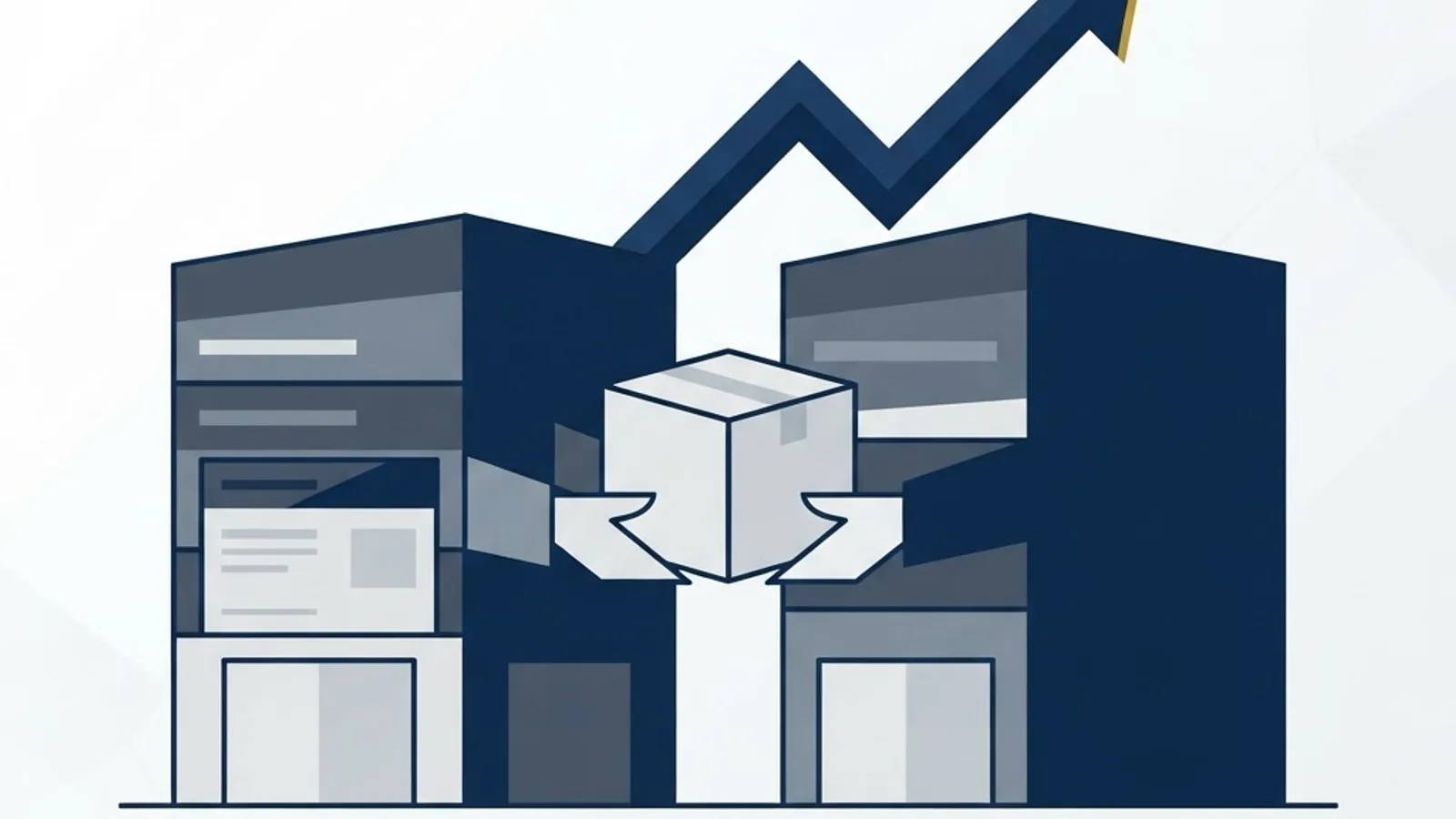
Few industries feel seasonality as sharply as heating and cooling. A single heatwave can fill the schedule for three weeks, then a mild autumn empties it just as fast. Digital marketing for HVAC companies exists to smooth that curve, generating service calls, maintenance agreements and system replacements year-round rather than only during weather emergencies.
The contractors who win are rarely the ones spending the most. They are the ones who show up first in local search, answer the phone immediately and have hundreds of recent reviews backing them up.
Here is a practical framework for building that kind of presence, including what to prioritise in each season and how to measure whether your spend is producing booked work.
What Is Digital Marketing for HVAC Companies?
Digital marketing for HVAC companies covers every online activity that produces service calls and equipment sales: local search optimisation, Google Business Profile management, paid search, email marketing to existing customers, remarketing and review generation.
The defining characteristic of HVAC marketing is demand that spikes and collapses with the weather. A successful programme therefore balances urgent-demand capture during peaks with relationship-building during shoulder seasons, when maintenance agreements and planned replacements are sold.
Customer lifetime value is also unusually high. A homeowner who signs a maintenance plan may generate revenue for a decade, which justifies spending more to acquire them than a single repair ticket would suggest.
Who Uses It?
The approach adapts across the range of HVAC businesses.
- Residential service contractors handling repairs, tune-ups and replacements.
- Commercial HVAC firms targeting facility managers with longer procurement cycles.
- Heat pump and energy efficiency specialists in a fast-growing, incentive-driven category.
- Indoor air quality providers selling filtration, humidification and ventilation upgrades.
- Multi-location groups managing visibility across several service territories.
Key Features of a Strong HVAC Programme
Seasonal Campaign Planning
Budgets should shift through the year: emergency repair terms in peak summer and winter, tune-up and maintenance plan offers in spring and autumn, and replacement financing messages when older systems fail. Planning this calendar in advance prevents reactive spending.
Local Search and Map Visibility
Most emergency calls come from the map pack. Complete profiles, accurate service areas, frequent job photos and steady reviews determine who appears. Multi-location companies need a separate, properly optimised profile and landing page for each territory.
A Conversion-Focused Website
HVAC sites need visible phone numbers, online booking, financing information and clear service pages. Performance matters because most visitors arrive on mobile during a breakdown. Modern builds using React JS web development can deliver the speed and interactivity that booking flows require.
Customer Retention Marketing
Your existing customer list is the most profitable audience you own. Scheduled reminders for seasonal tune-ups, filter replacements and system age milestones generate revenue at almost no acquisition cost. Structured email marketing turns that database into predictable bookings.
How to Get Started
Build in this order to avoid paying for traffic your site cannot convert.
- Audit current visibility for emergency and maintenance search terms in each service area.
- Complete and optimise your Google Business Profile, including services and photos.
- Fix website speed and add prominent calling and booking options on mobile.
- Create dedicated pages for repair, installation, maintenance plans and each major system type.
- Implement call tracking and form tracking so every lead has a known source.
- Launch paid search on urgent terms with tight geographic targeting and dayparting.
- Build a seasonal email calendar targeting your existing customer database.
- Review cost per booked job and maintenance plan signups monthly.
Benefits for HVAC Contractors
A well-run programme changes the economics of the business.
- Shoulder seasons produce revenue instead of idle technicians.
- Maintenance plan enrolment grows, creating recurring income.
- Higher-margin replacement work becomes a deliberate target rather than a lucky break.
- Marketing spend is traceable to booked jobs and equipment sales.
- Strong review profiles reduce price sensitivity among new customers.
Potential Challenges
Anticipating these avoids the most common disappointments.
- Expensive clicks during peaks when every competitor bids on the same emergency terms.
- Capacity limits mean generating more leads than you can service damages your reviews.
- Attribution complexity because customers often call after seeing several touchpoints.
- Multi-location duplication where copied location pages fail to rank anywhere.
Best Practices and Tips
These practices consistently separate top performers from the rest.
- Pause or reduce paid campaigns when your schedule is genuinely full rather than accumulating unhappy callers.
- Request a review by text within an hour of job completion, while satisfaction is highest.
- Publish honest pricing ranges to filter out unqualified enquiries.
- Track maintenance plan signups as a primary metric, not just service calls.
Real-World Example
A regional HVAC company serving three towns had strong summer revenue and weak spring and autumn performance. Their marketing consisted of heavy paid search during peaks and nothing in between, and their customer database of roughly four thousand past clients had never been contacted.
They introduced a spring tune-up email campaign to that database with a simple online booking link, built individual location pages for each town with genuine local content, and added a maintenance plan page explaining the value clearly. Spring bookings rose substantially without any additional advertising spend, and plan enrolments created a recurring revenue base. They later used graphic design support to make the plan comparison table easy to understand, which improved conversion on that page further.
Why It Matters
HVAC is a trust purchase made under pressure. Homeowners with no heat in January are not comparing twelve providers; they are calling the two or three that look established, well-reviewed and available. Visibility at that moment is worth more than any brochure.
Meanwhile, consolidation is accelerating. Larger groups are acquiring independent contractors and bringing professional marketing budgets with them. Independents who build their own digital presence keep control of their lead flow and their valuation.
Frequently Asked Questions
What is a reasonable cost per lead for HVAC?
It varies significantly by region and season, rising sharply during extreme weather. Rather than fixating on cost per lead, measure cost per booked job and cost per maintenance plan signup, which reflect actual profitability.
Should I market during my busiest season?
Yes, but adjust. Reduce spend if you cannot service demand, and shift messaging toward higher-margin replacements rather than small repairs. Going dark entirely damages the visibility you rebuilt over months.
How important are maintenance agreements to marketing?
Extremely. They stabilise revenue, create repeat contact and increase lifetime value, which in turn lets you bid more aggressively for new customers than competitors selling one-off repairs.
Do social media ads work for HVAC?
They work best for planned purchases such as system replacement, heat pump upgrades and maintenance plans, where you can target homeowners by property age and location. They are less effective for emergency demand, which lives in search.
Conclusion
Effective digital marketing for HVAC companies is a year-round system: capture urgent demand in peak season, sell maintenance and replacements in the shoulder months, and keep your existing customer list active throughout. Measure booked jobs and plan signups rather than clicks.
If your website is the weak link in that system, our website maintenance and support team can keep it fast, current and ready for peak-season traffic.