Ask five companies which department a demand generation and digital marketing leader belongs to and you will get five answers. Some place the role inside marketing, others tuck it under revenue operations, and a growing number report it straight into a chief revenue officer.
The choice is not cosmetic. The department for demand generation and digital marketing leader roles determines budget access, data ownership, how quickly campaigns ship and whether sales treats marketing as a partner or a service desk.
Below is a practical look at where this function actually lives, why placement changes outcomes, and how to choose the right structure for the stage your business is in.
What Is the Department for a Demand Generation and Digital Marketing Leader?
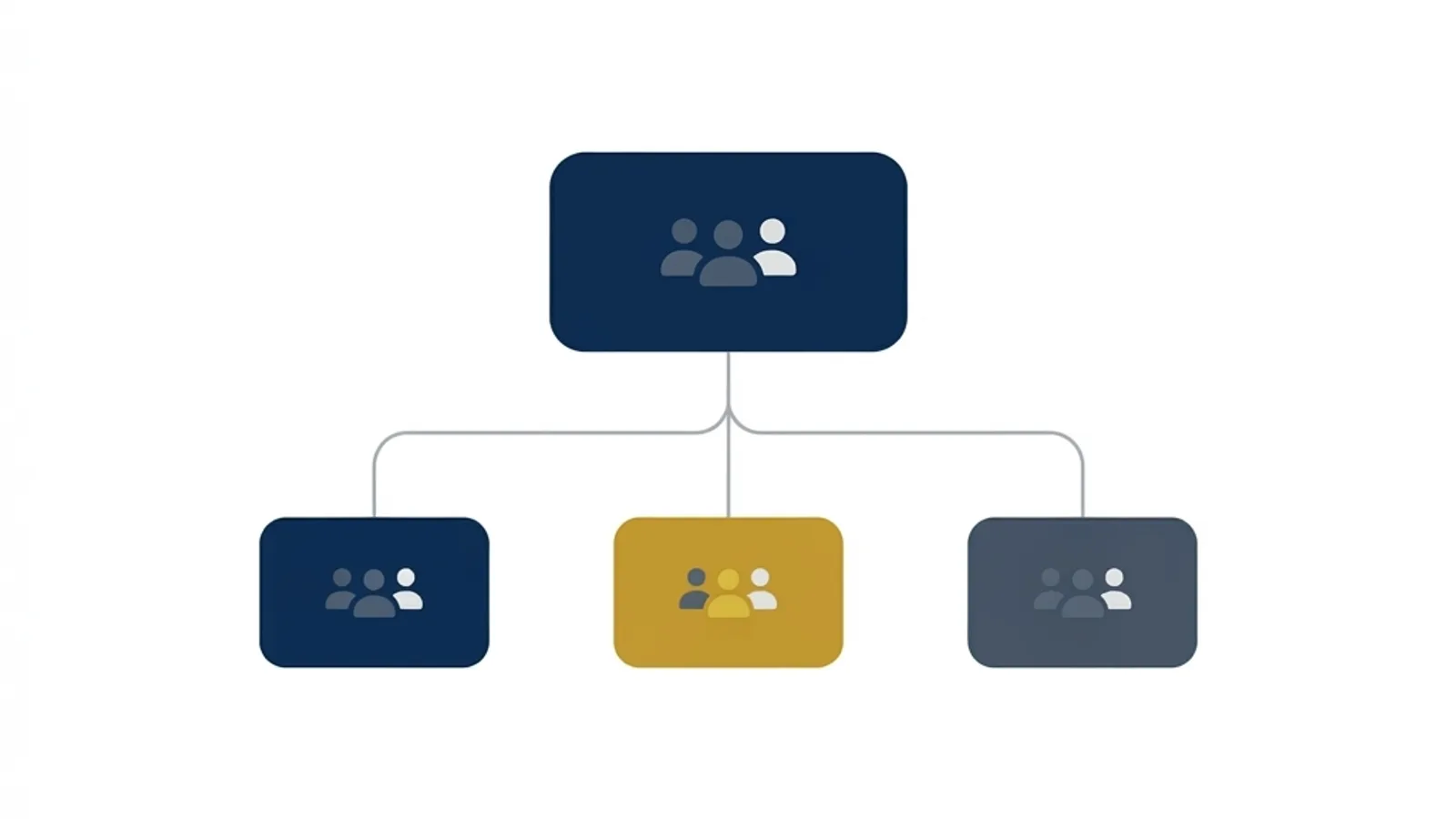
In the majority of organisations, the demand generation and digital marketing leader sits within the marketing department, reporting to a VP of Marketing or a Chief Marketing Officer. Marketing owns the brand, the website, the content engine and the campaign calendar, so grouping demand generation there keeps creative and distribution close together.
The department is best understood as the home of the revenue-generating half of marketing. Where brand marketing builds long-term recognition, demand generation converts that awareness into qualified opportunities that sales can work this quarter.
A minority of companies, particularly those with product-led growth or heavy outbound motions, place the function inside a broader go-to-market or revenue organisation alongside sales development and revenue operations. Both structures work; what fails is leaving the reporting line ambiguous.
Who Uses This Structure?
Department placement questions come up at specific moments in a company's growth, and several groups have a direct stake in the answer.
- Scaling B2B software companies formalising marketing beyond a single generalist.
- Professional services firms shifting from referral-led growth to structured lead generation.
- Ecommerce and direct-to-consumer brands where performance marketing drives most revenue.
- Manufacturers and distributors building a digital channel alongside a traditional sales force.
- Private equity backed businesses installing repeatable pipeline processes across a portfolio.
Key Features of the Department
Campaign and Channel Operations
This is the visible output: paid search, paid social, search engine optimisation, webinars, email nurture and events. The team plans a quarterly calendar, builds the assets, launches, measures and iterates. A responsive, fast-loading site is essential here, which is why many teams invest early in professional website design before scaling spend.
Marketing Operations and Technology
Behind the campaigns sits the stack: marketing automation, CRM integration, lead scoring, attribution and reporting. Marketing operations keeps data clean and makes the numbers trustworthy. Without it, every pipeline review turns into an argument about definitions.
Content and Creative Supply
Demand generation consumes content relentlessly. Departments either build an in-house content function or partner with specialists for content writing and design so the campaign calendar never stalls waiting for assets.
Sales Alignment and Handover
The department owns the definition of a qualified lead, the routing rules, the follow-up service level agreement and the feedback loop from sales. This interface is where most demand engines either compound or break down.
How to Structure the Department
Structure should follow the size of the pipeline target, not the ambition of the org chart. Use this sequence when designing or restructuring.
- Define the revenue or pipeline number marketing is accountable for this year.
- Work backwards to the channels realistically capable of producing it.
- Assign a clear owner to each channel, even if one person owns several.
- Appoint or hire a marketing operations owner as soon as you run more than two channels.
- Agree written lead definitions and follow-up commitments with sales leadership.
- Set a single reporting line so the leader has one manager and one scorecard.
- Review the structure every two quarters as budget and headcount change.
Benefits of Clear Department Placement
When the reporting line is unambiguous, several things improve almost immediately.
- Budget decisions happen faster because approval authority is known.
- Campaign launches accelerate since creative and distribution sit together.
- Reporting becomes consistent, with one source of truth for pipeline contribution.
- Career paths are clearer, which helps retention among specialists.
- Sales knows exactly who to talk to about lead quality.
Potential Challenges
Departmental design introduces its own friction points that leaders should anticipate.
- Split loyalties. A leader reporting to both marketing and sales serves neither well.
- Brand versus performance tension. Short-term lead targets can starve long-term brand investment.
- Data ownership disputes. When revenue operations and marketing both claim the CRM, reporting stalls.
- Understaffed operations. Teams hire campaign managers first and discover too late that nobody maintains the systems.
Best Practices and Tips
These habits separate departments that compound results from those that reset every year.
- Publish a one-page charter describing what the department owns and what it does not.
- Hold a monthly pipeline review with sales using shared, agreed definitions.
- Protect a fixed share of budget for brand and experimentation so the engine does not stagnate.
- Document every workflow so the department survives individual departures.
Real-World Example
A regional logistics company placed its demand generation lead inside the sales department to encourage alignment. In practice, the leader spent most of her time producing sales collateral and chasing individual deals. Campaign output dropped and the website went a full year without meaningful updates.
The company moved the role into marketing, gave it a sourced pipeline target, and added a part-time operations analyst. Within two quarters the team relaunched the site with a proper WordPress development refresh, rebuilt the nurture programme, and doubled inbound demo requests without increasing media spend.
Why It Matters
Department placement quietly determines whether a demand generation leader can do the job they were hired for. Placed well, they control the levers that move pipeline and can be held fairly accountable for results. Placed poorly, they inherit responsibility without authority.
As buying journeys become more self-directed and more of the purchase decision happens before a sales conversation, the department owning digital demand becomes central to company growth rather than a support function.
Frequently Asked Questions
Should demand generation report to sales or marketing?
Marketing is the default and works for most companies, because demand generation depends on content, web and brand assets. Reporting into a revenue organisation makes sense only when sales development, marketing and operations are genuinely unified under one leader.
Is demand generation the same as digital marketing?
They overlap but are not identical. Digital marketing describes the channels used, while demand generation describes the objective of creating qualified buying interest. A demand generation department uses digital marketing as its primary toolkit.
How many people should the department have?
Start with one generalist plus agency support. Add a marketing operations owner at around two million in pipeline target, then specialise by channel as spend grows. Headcount should track budget and complexity, not calendar time.
What budget should the department control?
Benchmarks vary by industry, but many B2B companies allocate between five and twelve percent of revenue to marketing, with a significant share flowing through demand generation. The leader should control that spend directly to be accountable for it.
Conclusion
Choosing the right department for a demand generation and digital marketing leader is really about matching authority to accountability. Put the role where it can access budget, data, content and the web, then write down what it owns.
If you are rebuilding the systems behind your demand engine, our team can help you connect strategy to execution. Learn more about our web development services and how they support marketing performance.